Cluella Font: Adding Organic Warmth to Your Brand
I still remember the exact moment I realized my candle business had a branding problem. I was standing at a local craft market, watching potential customers pick up my soy candles, read the label, and then put them back down. The product was high quality, the scent was perfect, and the price was right, but something felt off. Looking at my table next to a competitor’s beautifully curated booth, I realized my labels looked generic. They were clean and legible, sure, but they lacked soul. They didn't communicate the handmade, small-batch nature of what I was selling. That afternoon, I decided to stop treating typography as an afterthought and started looking for a typeface that could actually tell my story. That search led me to Cluella.
Finding Authenticity in a Digital World
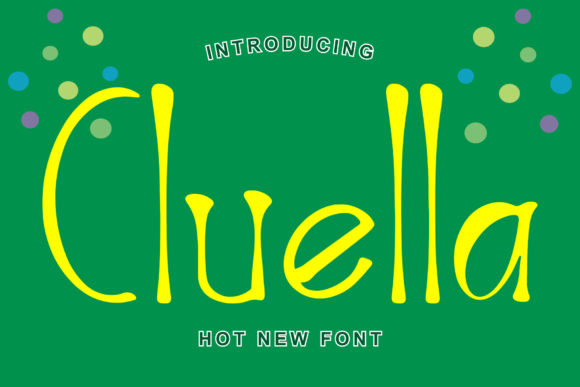
As small business owners, we often get caught up in making things look "professional," which we mistakenly equate with sterile, corporate aesthetics. But for makers, bakers, and boutique owners, professionalism shouldn't mean losing your personal touch. Cluella is a gorgeously natural handwritten font that bridges this gap perfectly. It isn’t a messy scrawl or an overly ornate script that sacrifices readability for style. Instead, it possesses a distinct handmade essence that feels intentional and polished.
When I first tested Cluella on my candle labels, the transformation was immediate. The organic flow of the letterforms added a tactile quality to the design, even before the sticker was printed. It signaled to customers that a real person made this product. This is the power of choosing the right display font for your brand identity. It moves beyond simple text transmission and starts conveying emotion, texture, and values. For businesses built on craftsmanship and care, a premium font like Cluella acts as a visual handshake, welcoming customers into your world with warmth rather than corporate distance.
Practical Applications Across Business Touchpoints
The true test of any creative font is its versatility. A beautiful typeface is useless if it only works in one specific context. In my own rebranding journey, I needed Cluella to perform across multiple platforms while maintaining visual consistency. Here is how this typeface has proven effective in real-world business scenarios:
- Product Packaging and Labels: This is where Cluella shines brightest. Whether you are designing a bakery box, a skincare jar, or a boutique clothing tag, the font’s natural weight holds up well on textured papers and matte finishes. It turns a standard ingredient list header into a design feature.
- Social Media Graphics: On Instagram and Pinterest, you have seconds to capture attention. Using Cluella for quote overlays, announcement banners, or reel covers adds a human element that stops the scroll. It feels less like an ad and more like a note from a friend.
- Thank-You Cards and Inserts: Unboxing experiences matter. Printing "Thank You" or "Handle with Care" in Cluella mimics the look of actual handwriting without the time commitment of writing hundreds of cards by hand. It maintains that personal connection at scale.
- Website Headers and Banners: In web design, this font works beautifully for hero sections or category titles. It breaks up the grid-like structure of e-commerce sites, adding editorial flair that keeps visitors engaged longer.
- Menus and Signage: For cafés and restaurants, Cluella can highlight daily specials or signature dishes. Its friendly demeanor makes menus feel approachable and encourages customers to try new items.
Balancing Beauty with Readability
One of the biggest fears entrepreneurs have when switching to handwritten fonts is legibility. We’ve all seen beautiful logos that are impossible to read on a mobile screen or a small product label. Cluella avoids this trap because it was designed with modern application in mind. However, using it effectively requires some practical design discipline.
Treat Cluella as a display font, not a body copy font. It is best suited for headlines, short phrases, logos, and decorative accents. When I redesigned my website, I used Cluella strictly for H1 and H2 headers and key call-to-action buttons. For product descriptions and blog posts, I paired it with a clean, neutral sans serif font. This contrast is crucial. The simplicity of the supporting text allows Cluella’s personality to pop without overwhelming the viewer. If you use too many decorative elements at once, the design becomes noisy and hard to navigate.
Also, consider your medium. On social media thumbnails, keep Cluella text large and concise. On printed packaging, ensure you test the size before ordering bulk stickers; what looks readable on a 27-inch monitor might disappear on a two-inch circular label. Always request a sample print or do a home printer test to verify that the delicate strokes of the font reproduce clearly at your intended physical size.
Building Trust Through Visual Consistency
Typography affects first impressions more than we often realize. When your branding looks disjointed—using five different fonts across your website, packaging, and social media—it subconsciously signals disorganization to customers. Consistency builds trust. By anchoring my brand identity with Cluella, I created a recognizable visual thread that connects every customer interaction.
This consistency doesn't mean rigidity. Cluella includes various alternates and ligatures that allow for subtle variation while keeping the core aesthetic intact. You might use a swash alternative for your logo but the standard characters for your packaging titles. These small details make your brand feel bespoke and thoughtful. Customers notice these nuances. They perceive the effort you put into your visuals as a reflection of the effort you put into your products. In a crowded marketplace, that perception of quality and care is often the deciding factor between a browse and a purchase.
Essential Checks Before You Design
Before you fall in love with a font and commit it to your merchandise, take a moment to handle the logistics. As business owners, we must protect our assets and ensure we are operating correctly. Always check the commercial licensing terms included with Cluella. Personal use licenses are great for hobby projects, but if you are selling products, creating templates for clients, or using the font in digital ads, you likely need a commercial license. Investing in the proper license upfront prevents legal headaches down the road and supports the type designer who created this beautiful asset.
Additionally, explore the full character set. Does the font support the special characters or accents needed for your specific language or product names? Are there enough stylistic alternates to avoid repetitive letterforms in longer words? Understanding the technical capabilities of the font file ensures you won't hit a roadblock halfway through your packaging redesign. When you combine this practical diligence with the genuine warmth of Cluella, you end up with a brand identity that is not only legally sound and technically functional but also deeply resonant with the people you want to serve.